
Upholstery Fabric Weight and Density: Why They Matter and How to Understand Them
When comparing upholstery fabric types, you often hear terms like "weight" and "density" without a clear explanation of what they mean. Understanding these specs helps you judge real quality instead of relying on looks alone.
What is fabric weight?
Fabric weight is usually measured in grams per square meter (GSM). The higher the number, the heavier and generally thicker the fabric. Heavy fabrics (above 400-500 g/m²) suit upholstery under intensive use, while lighter fabrics suit curtains or light upholstery.
What is weave density?
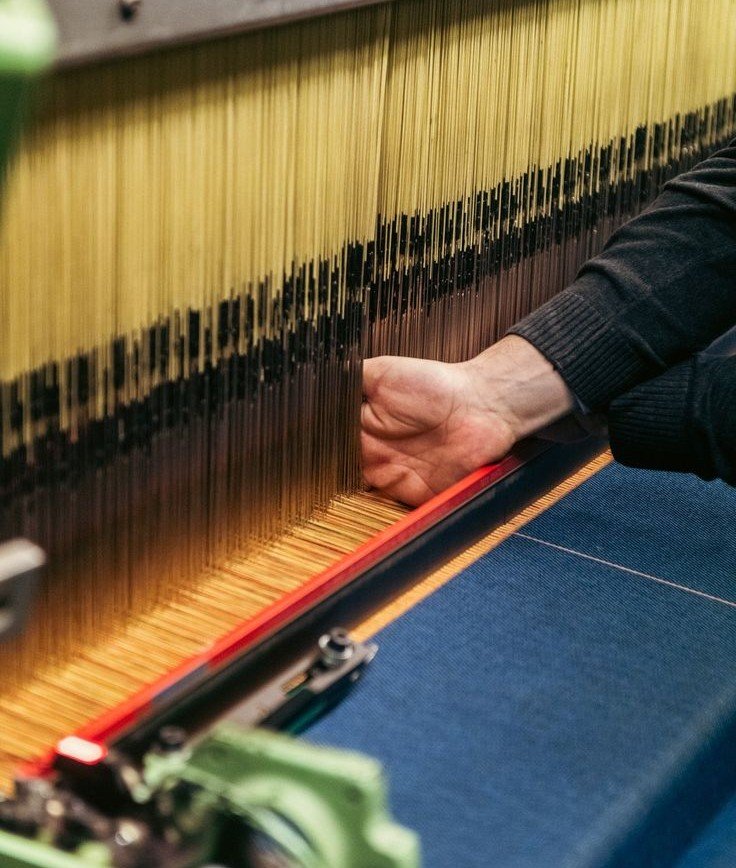
Density refers to the number of threads woven into a given area (often expressed as thread count per inch). The higher the density, the tighter the weave and the less prone it is to stretching or tearing with use.
The relationship between weight, density, and durability
A heavy fabric isn't necessarily the densest, and vice versa — a lightweight fabric can be tightly woven, and a heavy one loosely woven. What's usually best for upholstery is a balance of both: appropriate weight for the piece type, with good weave density ensuring cohesion.
How to use this practically
When comparing two similar-looking fabrics at different prices, ask about weight and density. The difference often explains the price and durability gap. For heavily-used upholstery (living room sofas), favor higher weights. For curtains, medium to light weight is better for a beautiful drape.
To ask about the specs of a particular material, contact us and we'll help you choose what fits your project.
Related Articles
Yunova Fabrics vs. Off-the-Shelf Curtains: What's the Difference?